

Eurasiers
At Pacific Pride Eurasiers, this is where our journey begins. Get to know the Eurasier Breed, and how we're committed to the quality of the breed.
Join us as we grow and succeed together. We're glad you're here to be a part of our story.
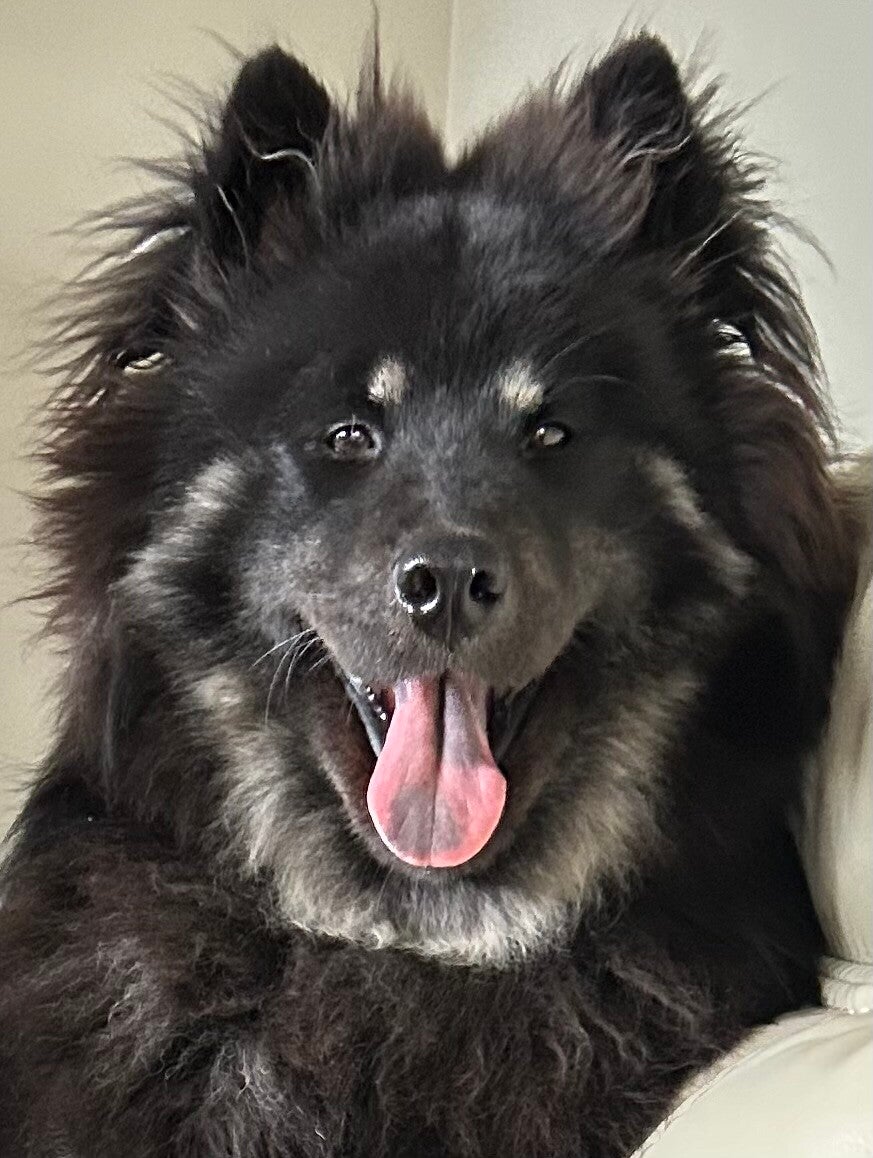
Introducing the Eurasiers
The Eurasier is a medium-sized companion dog breed developed in Germany and known for its calm temperament, strong family bonds, and wolf-like appearance. It was specifically bred to combine desirable traits from several northern and spitz-type breeds while maintaining a stable, family-friendly personality.
Origin and History
The Eurasier was created in the 1960s by Julius Wipfel in Germany. The breed began with crosses between the Chow Chow and the Wolfspitz (Keeshond type). Later, the Samoyed was introduced to improve temperament and appearance.
The name "Eurasier" reflects the breed's mixed European and Asian ancestry.
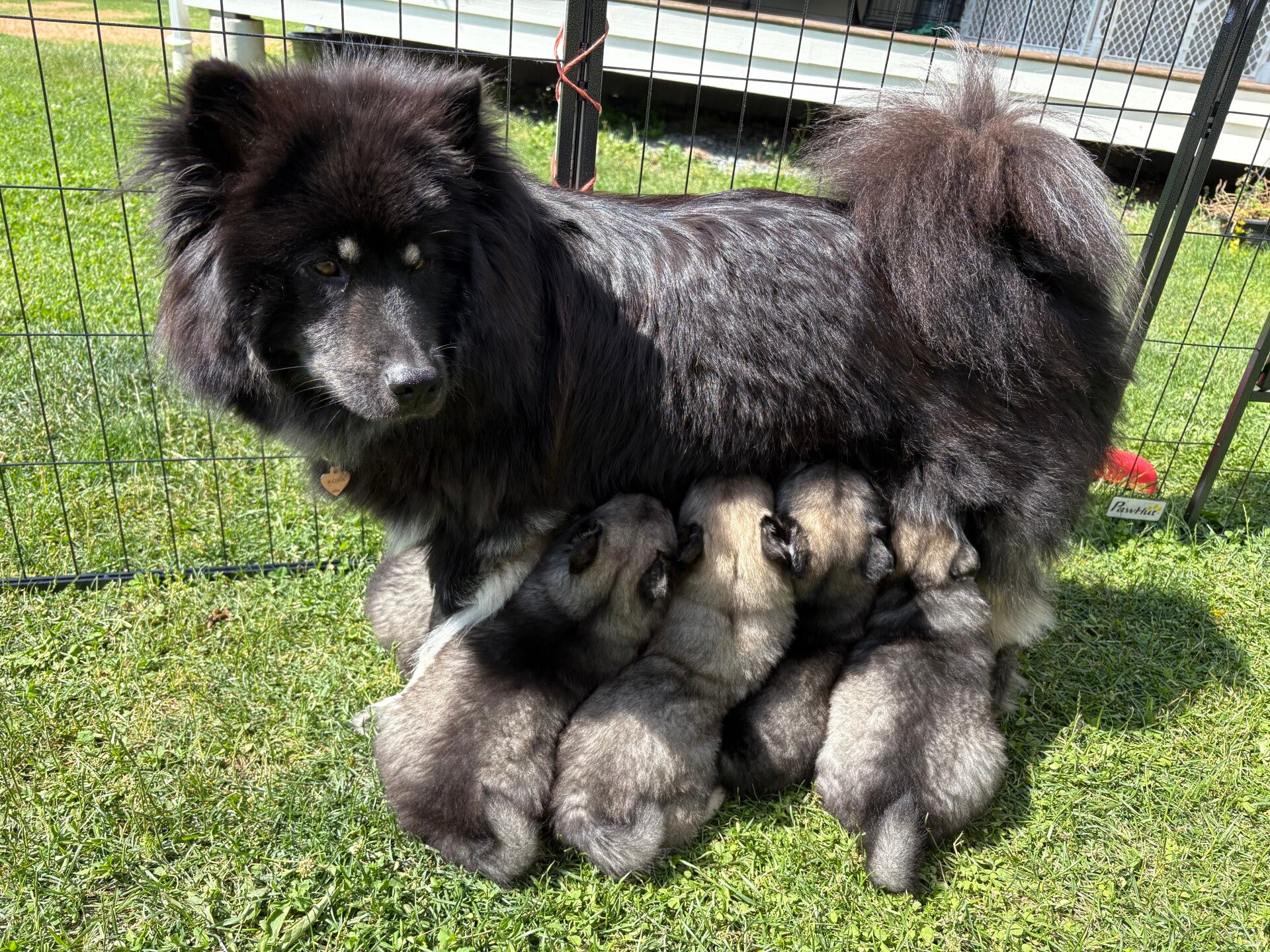
Physical Characteristics of Eurasiers
- Height: Typically, 48–60 cm (19–24 inches)
- Weight: Usually 18–32 kg (40–70 pounds)
- Lifespan: About 12–15 years
- Coat: Thick double coat with a dense undercoat
- Colors: Almost all colors and patterns are accepted except pure white, liver, and merle
- Appearance: Fox- or wolf-like face, erect ears, bushy tail carried over the back
Temperament
Eurasiers are best known for being:
- Devoted to their families
- Calm and thoughtful rather than hyperactive
- Gentle with children
- Generally good with other pets when socialized
- Reserved with strangers
- Sensitive to harsh training methods
Unlike some highly social breeds, Eurasiers often form deep attachments to their family and may be somewhat aloof around unfamiliar people.

Exercise Needs
Eurasiers have moderate exercise requirements:
- Daily walks
- Play sessions
- Mental stimulation through training or puzzle toys
Most Eurasiers are not extreme endurance athletes, but many enjoy hiking, nature walks, and outdoor adventures.
Training
Training is usually straightforward because Eurasiers are intelligent and eager to cooperate, though they can be independent.
Best results come from:
- Positive reinforcement
- Consistency
- Early socialization
- Gentle handling
Harsh corrections often reduce their confidence and willingness to work.
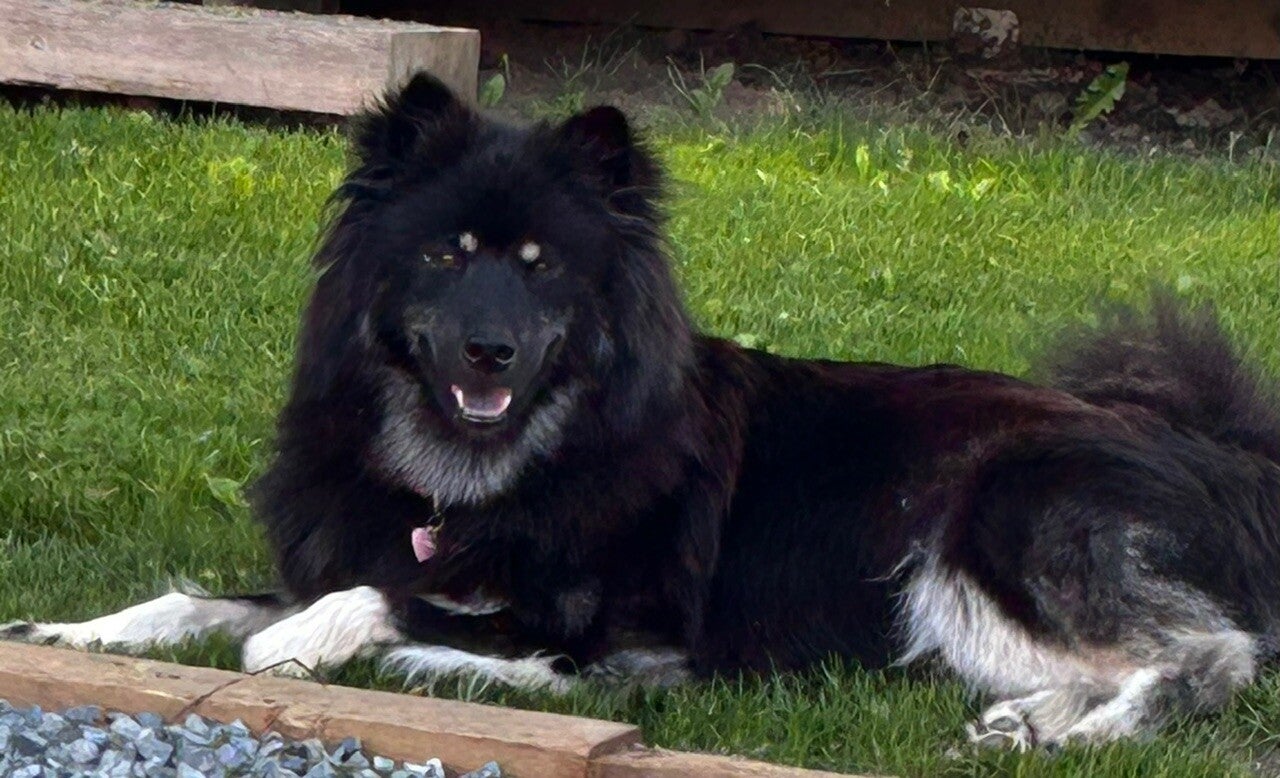
Grooming
The thick coat requires regular maintenance:
- Thorough brushing 1–2 times per week
- More frequent brushing during seasonal shedding periods
- Occasional bathing
Their coat is relatively self-cleaning compared with some long-haired breeds.
Health
The breed is generally considered healthy, but potential concerns include:
- Hip Dysplasia
- Patellar Luxation
- Thyroid disorders
- Certain eye conditions
Responsible breeders typically perform health testing on breeding dogs.
Living With a Eurasier
A Eurasier may be a good fit if you want a dog that is:
✓ Affectionate but not clingy with everyone
✓ Moderately active
✓ Good with families
✓ Quiet (they are not usually excessive barkers)
✓ Adaptable to suburban or rural living
What Owners Often Love About Eurasiers
Many owners describe them as:
- Quiet companions
- Emotionally intuitive
- Clean and easy to live with
- Strongly bonded to their family without being demanding
Their combination of beauty, stability, and companionship has made them popular among people looking for a devoted family dog rather than a high-drive working breed.